#Museum
Only a few returned - Synagoge Museum Coevorden
Coevorden’s connection with the Jewish community dates back to the late 18th century. In 1768, there was first mention of an organized Jewish congregation consisting of about ten families. Over the following decades, that number grew to a few hundred. Religious services were held in a house on Kerkstraat, where a new synagogue was built in 1840. Today, this is the site of the Jewish Monument and the Synagogue Museum Coevorden, which tells the story of Jewish life in Drenthe and the surrounding area.
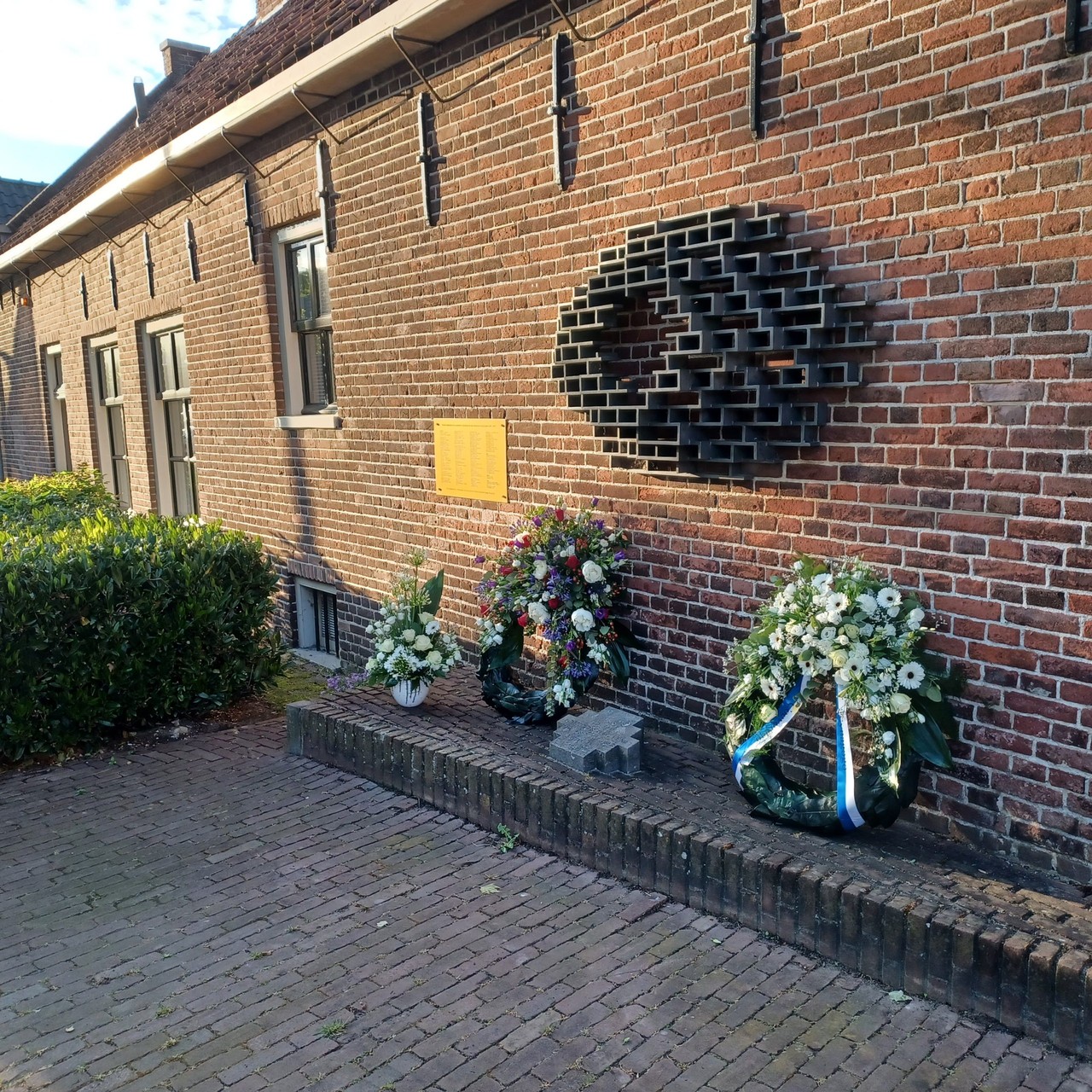
This includes the story of the Jewish community in Coevorden, which, in addition to several religious societies, also had a recreational association, a theater and social club, and a Zionist youth movement. With a diversity of professions, the community was well integrated into local society. In short, it was a vibrant community—until the war broke out in 1940.
During the German occupation, the Jews of Coevorden were subjected to the same restrictive measures imposed elsewhere in the country. In the night of October 2–3, 1942, the Dutch police, acting on orders from the German occupiers, removed all Jewish residents of Drenthe from their homes and transported them to the notorious transit camp Westerbork. Among them was the vast majority of Coevorden’s Jewish community.
Of the 142 Jews living in Coevorden in 1942, fewer than twenty survived the war—whether by fleeing, going into hiding, or enduring the horrors of the camps. Izak Kan and Jo Frank survived by escaping from the labor camp near Linde. Herman Zilverberg, son of the well-known Jewish SDAP leader Hartog Zilverberg (council member and alderman), also fled this camp. Although he was later captured and sent to Auschwitz, he was one of the few to endure all the hardships. Semmy van Coevorden chose to stay in the Linde labor camp, fearing reprisals against his parents in Coevorden. He ended up in the Westerbork transit camp, where he was reunited with his older brother Maurits. Together, they managed to avoid deportation and survived the war.
Herman married Annie Bollweg in 1947; they had kept in touch until his capture in 1944. They initially settled in the textile shop his mother had started on Friesestraat in Coevorden before moving to Amsterdam for his studies. After the war, Jo Frank resettled in Coevorden and became a highly respected shopkeeper. Semmy and Maurits van Coevorden, like their father, became livestock traders, while Izak Kan emigrated to Israel.